
Community spotlights
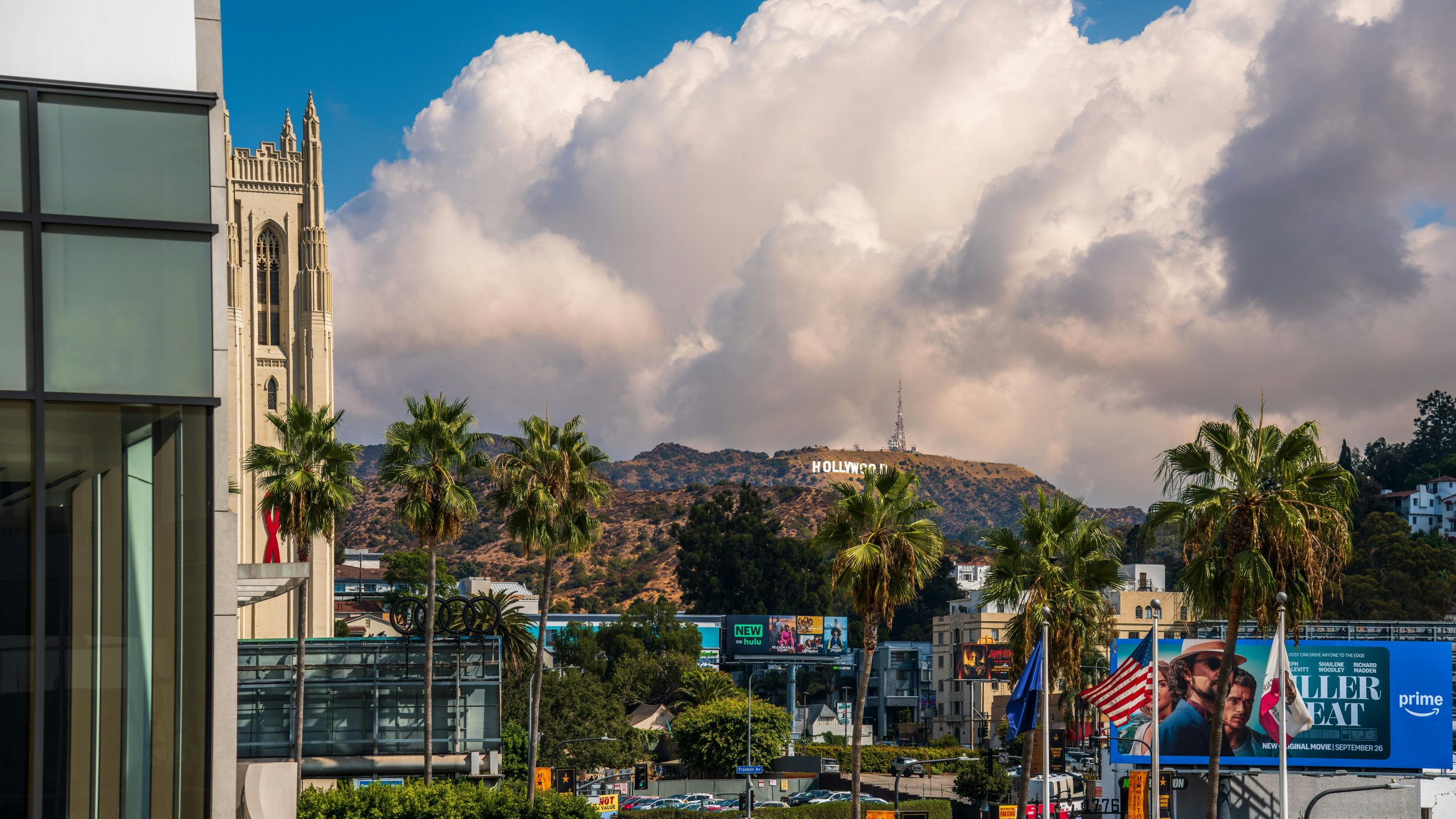
West Hollywood
Follow your dreams to a city unlike any other! West Hollywood—1.9 square miles in the heart of L.A.—is Southern California's premier destination for revolutionary design, trailblazing fashion, world-class dining and electric nightlife. West Hollywood is proud to be a city that leaves the conventional behind, embracing the unusual, the outrageous and the avant-garde and celebrating our unique culture. It’s a place that has always been home to rebels and forward-thinkers—the pioneers of the motion picture industry, the wild musicians and bootleggers of the Sunset Strip and the activists of the LGBT rights movement. In art, cuisine, design and culture, it’s still pushing boundaries, defying expectations and defining itself on its own terms.
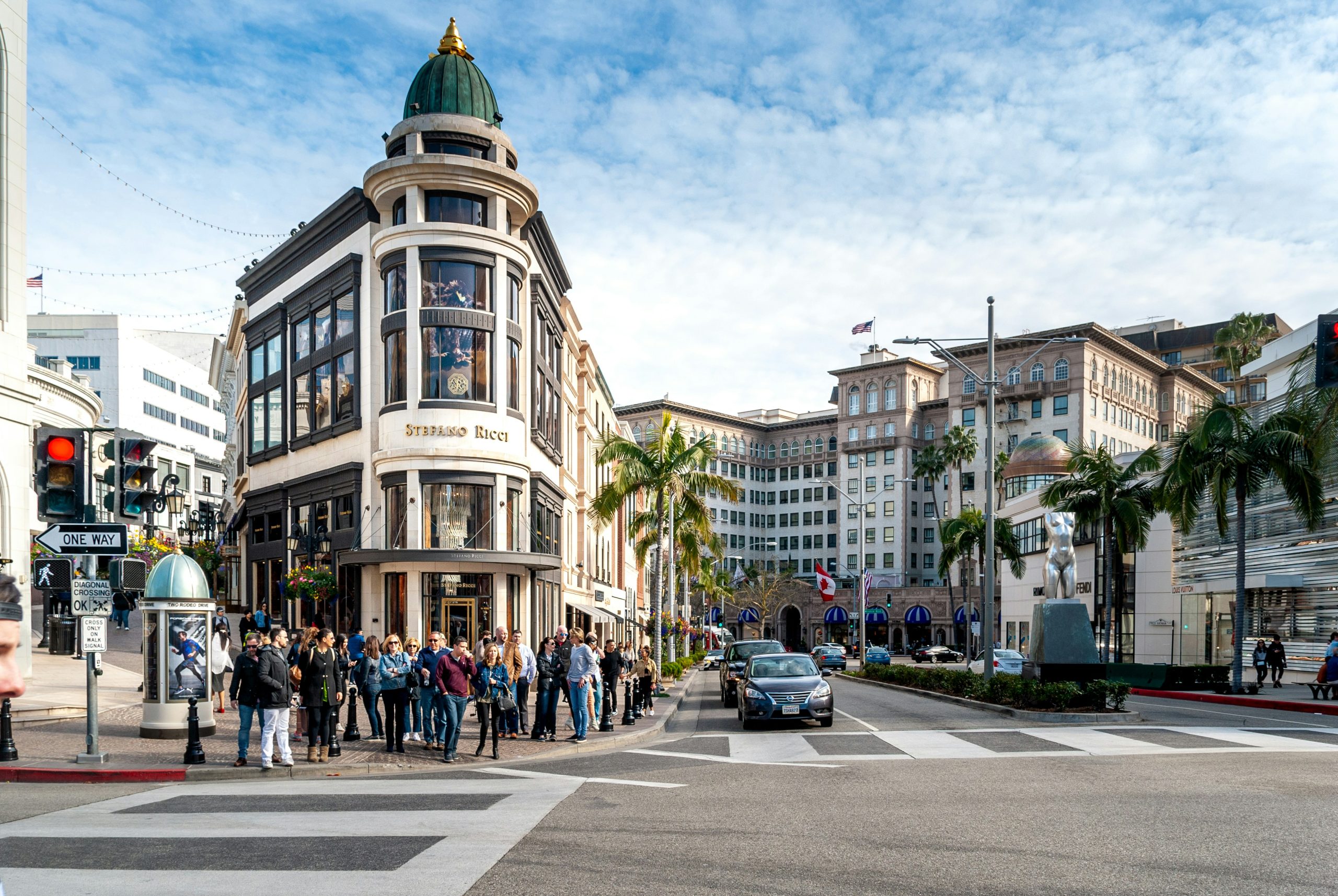
Beverly Hills
Beverly Hills is one of the world’s most sought-after locales. Centrally located in greater Los Angeles, Beverly Hills is a premier vacation and business travel destination, boasting beautiful weather year-round, acclaimed full-service and boutique hotel accommodations, sumptuous dining, and incomparable shopping. Synonymous with Hollywood glamour, Beverly Hills enjoys an international reputation as the home and playground of A-list movie stars. The city is not only known worldwide for its grand mansions and chic shops along Rodeo Drive, but also for its multitude of art and architecture, spas and salons, and exceptional walkability. Beverly Hills is, above all, a small town for the wealthy. It is not even six square miles in size.
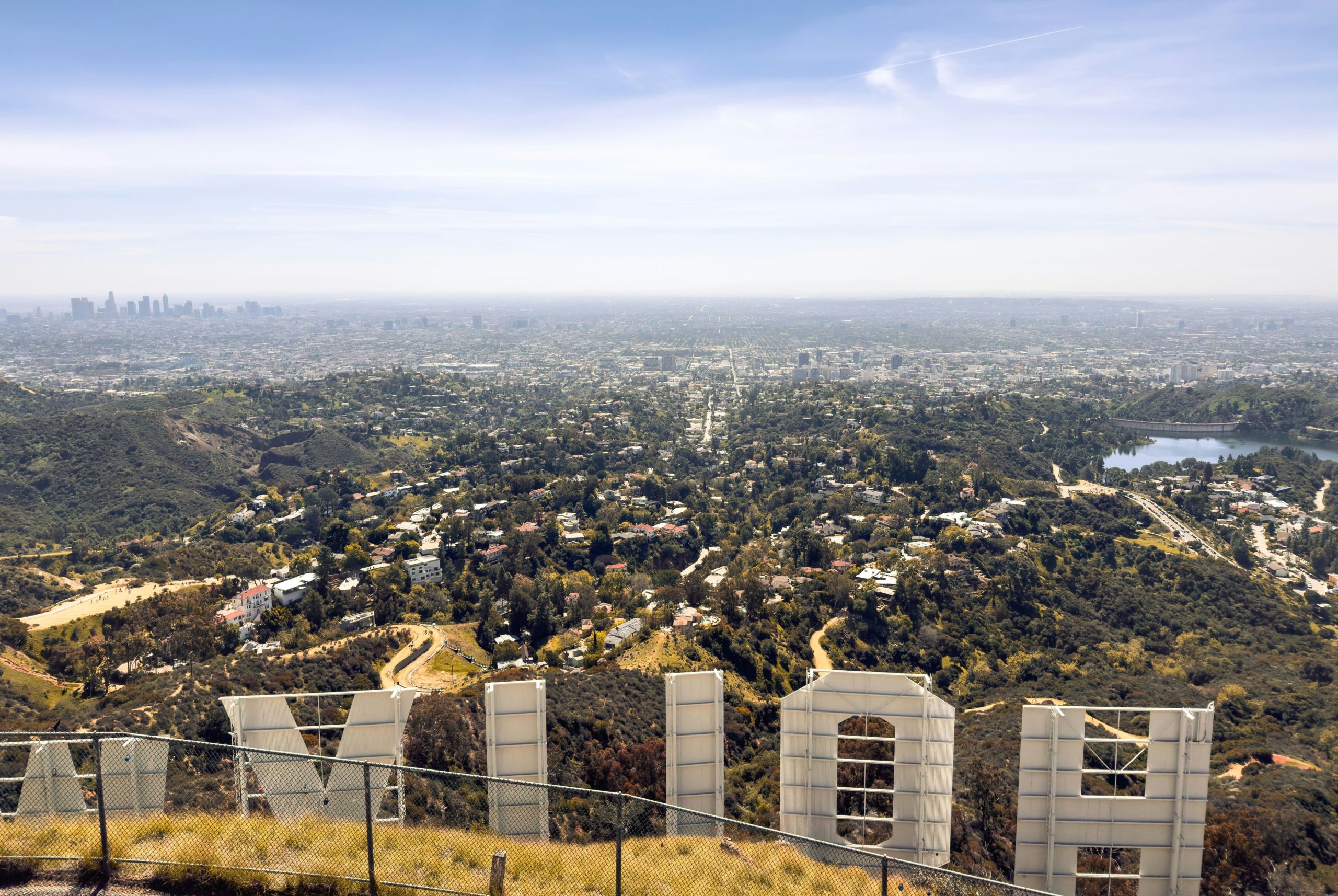
Hollywood
Although Hollywood is a neighborhood in Los Angeles, for some it's more a state-of-mind. "I'm going to Hollywood," say young hopefuls who dream of acting in movies or on television.
Indeed, they're going to Los Angeles but probably not to Hollywood itself. Though Hollywood has long represented the glitz and glamour of the film, television, and music industries, most studios have moved away from this quirky district in favor of other L.A. neighborhoods, like Burbank.
Nevertheless, Hollywood still attracts millions of visitors each year who travel there to pay homage to their favorite stars and perhaps even catch a glimpse of a few famous personalities. Sometimes they're lucky! And while, for years, Hollywood had a rather seedy reputation, the town has endeavored to make recent improvements in the areas most visited by tourists, adding a new kind of charm to this interesting neighborhood.
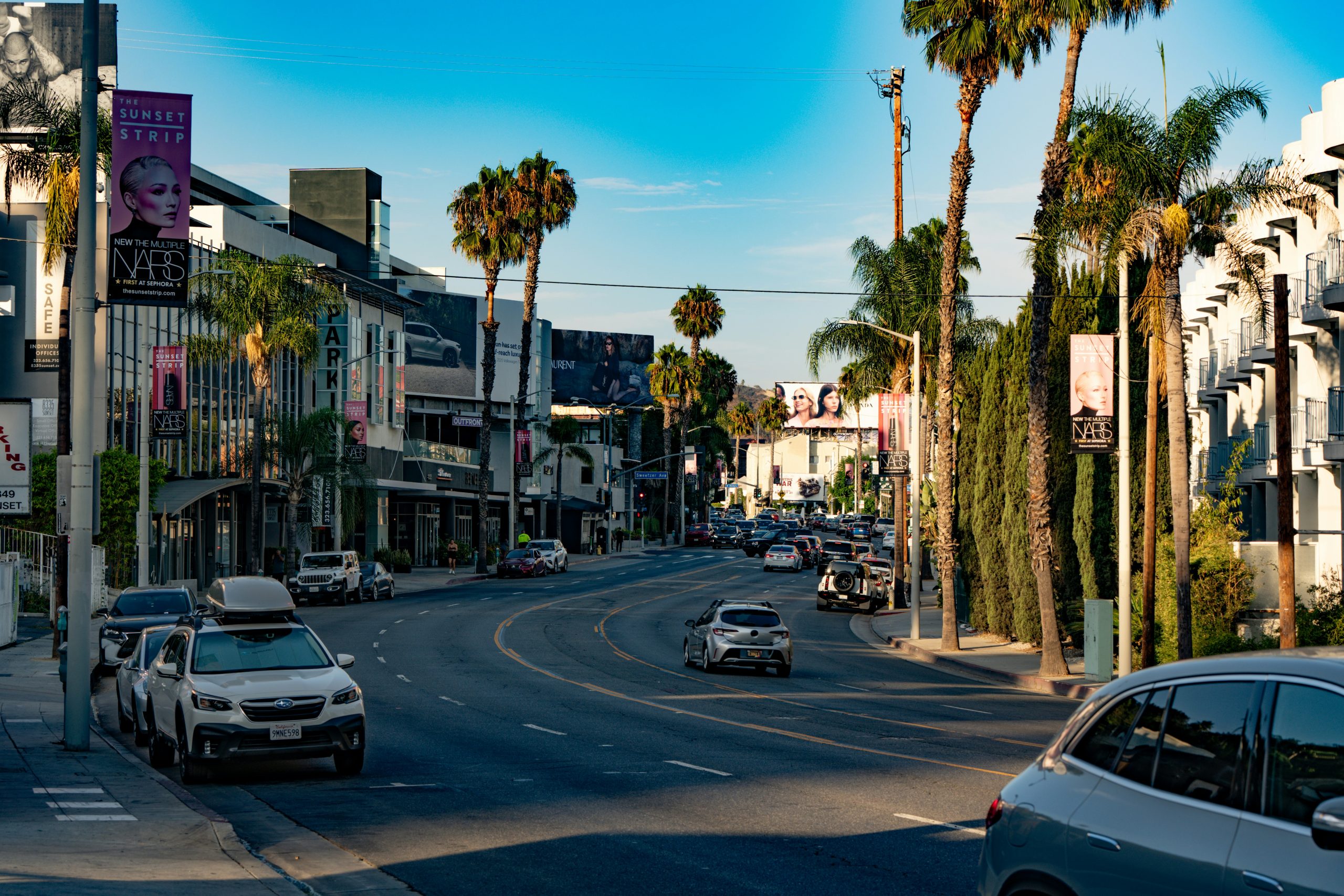
Sunset Strip
Sunset Boulevard is famous, but the best known portion of the boulevard is the mile and a half stretch of Sunset between Hollywood and Beverly Hills that has been dubbed "The Sunset Strip." Running between Crescent Heights Boulevard (on the east) & Doheny Drive (on the west), the Sunset Strip embraces a premier collection of rock clubs, restaurants, boutiques, and nightspots that are on the cutting edge of the entertainment business.
In the evening, the Strip is a vibrant slash of gaudy neon, a virtual traffic jam of young cruisers on weekends, a stimulating mecca for people-watchers and celebrity wannabes. Like some fabled caravan route between holy cities, the Strip has taken on an eccentric character all its own. Mammoth, hand-made billboards are one of its trademarks. These colorful advertisements were designed to catch the eye of Hollywood producers and deal-makers as they drove to work in Hollywood from their homes in Beverly Hills. Now, many of these billboards serve primarily to puff up egos of the stars they promote—which is why the industry refers to them as "Vanity Boards." As you drive farther west on Sunset, past the end of the Sunset Strip and the Los Angeles city limits, Sunset Boulevard suddenly undergoes a startling transformation. The harsh city streets and eccentric storefronts of West Hollywood abruptly disappear, and are replaced by broad, emerald green lawns and the elegant white mansions of Beverly Hills.
Miracle Mile
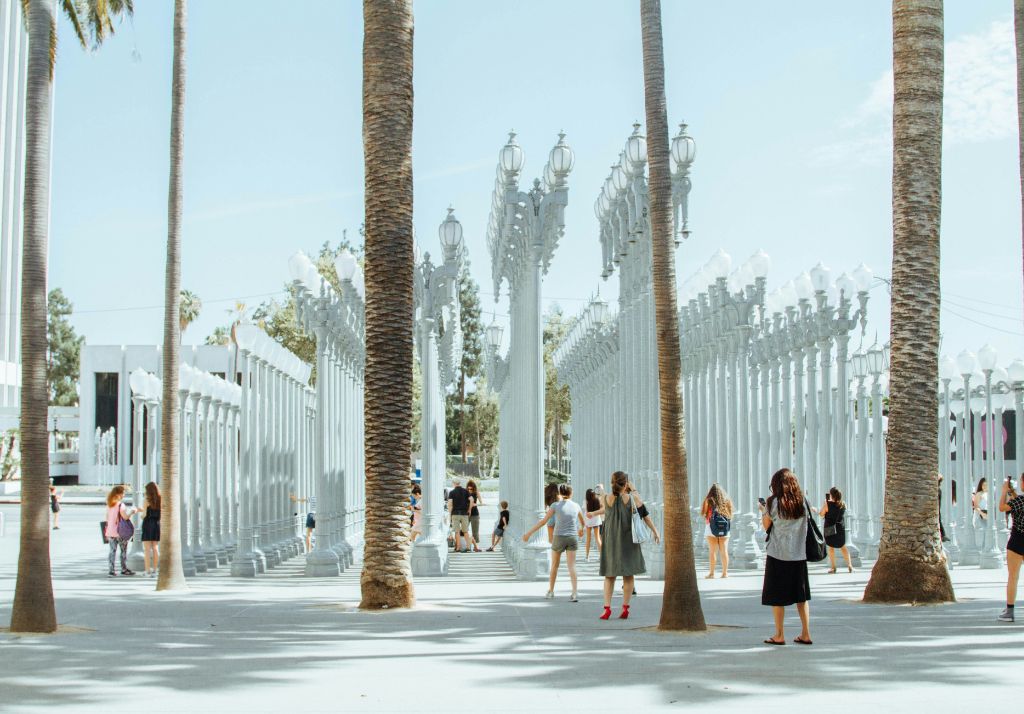
In 1921, the stretch of Wilshire Boulevard now known as the Miracle Mile was a 20-foot-wide dirt road, flanked by oil wells and barley fields. Today, the strip is a busy thoroughfare, home to museums, the La Brea Tar Pits, and a collection of historic Art Deco structures. The story of the Miracle Mile's stunning transformation from cow path to commercial artery—told through selected images from the region's photographic archives—is part of the larger narrative of L.A.'s decentralization, as electric railways and automobiles encouraged sprawl and drained the downtown retail district of its vitality.
With LACMA, the Petersen Automotive Museum, and other museums—including the Craft and Folk Art Museum, the Page Museum at the La Brea Tar Pits, and the Architecture and Design Museum—the Miracle Mile has gained a reputation today as L.A.'s museum row. Meanwhile, publications like Variety, The Hollywood Reporter, and Los Angeles Magazine now call the district home. While the Miracle Mile can no longer claim to be the city's premier retail district, the area once derided as "Ross' bean patch" remains fertile commercial ground.
Beverly Grove
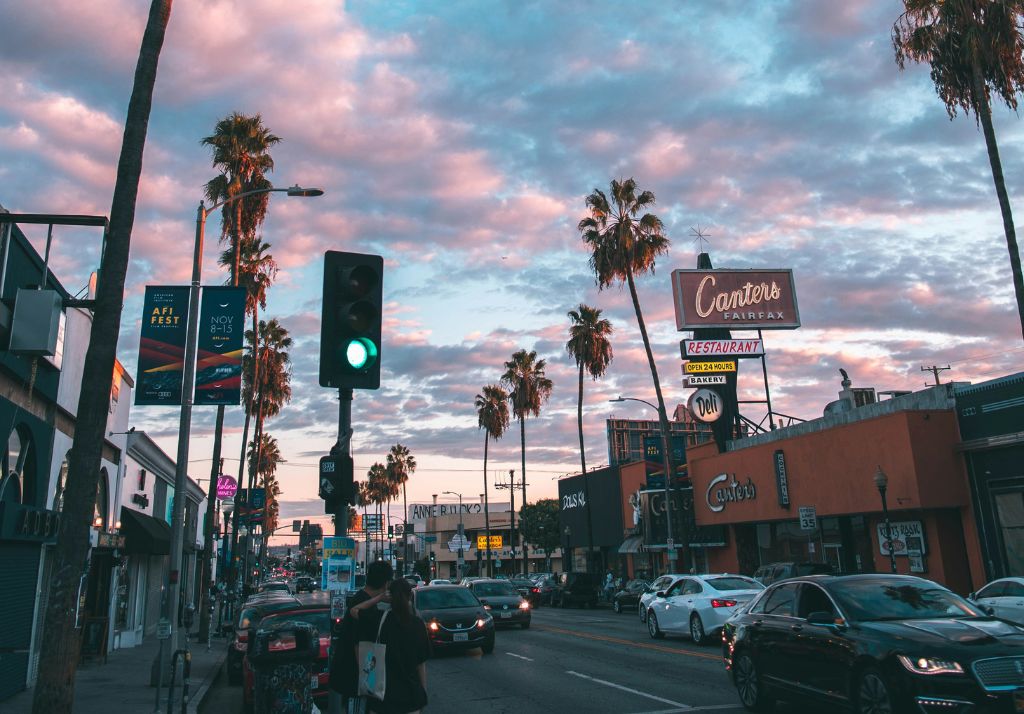
Beverly Grove is a small neighborhood in the central region of the City of Los Angeles, abutting Beverly Hills and West Hollywood. There is one private elementary school. It is home to the eight-story Beverly Center shopping complex and several luxury shops on Robertson Blvd.
Beverly Grove is flanked by West Hollywood to the north, Fairfax and Mid-Wilshire to the east, Carthay to the south and Beverly Hills to the west. The neighborhood is bounded on the north and west by the Los Angeles city limits, on the east by Fairfax Avenue and on the south by Wilshire Boulevard and San Vicente Boulevard.
Beverly Center was opened in 1982 by developers A. Alfred Taubman, Sheldon Gordon, and E. Phillip Lyon. The site's former occupant was a small amusement park known as Beverly Park and Kiddyland, featuring a Ferris wheel, merry-go-round, and mini roller-coaster, and a pony ride known as Ponyland.
Los Angeles/Westside
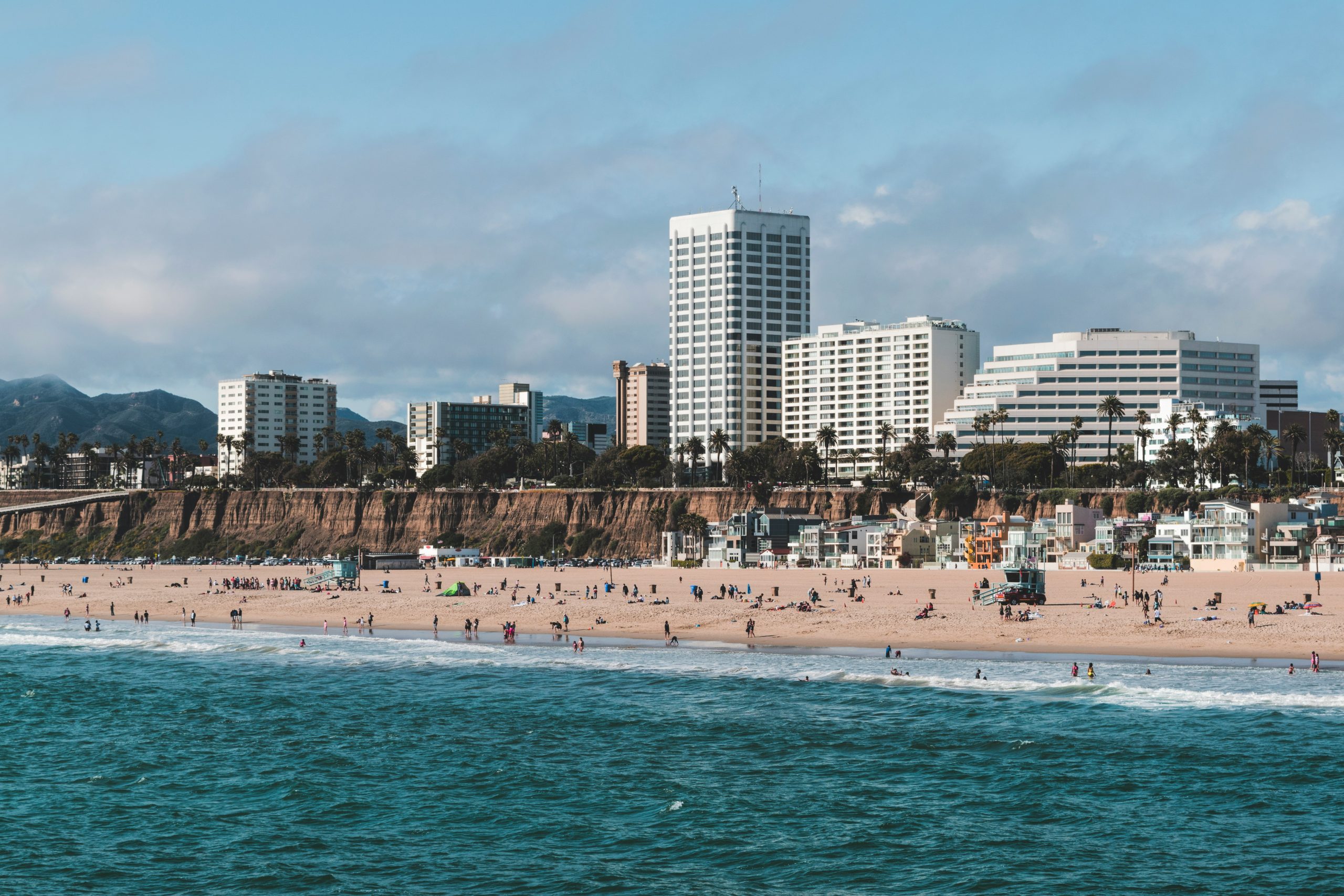
The Westside of Los Angeles in Southern California is much of what the rest of the world thinks of when they think "California". Beautiful beaches, fancy homes, movie stars: it's all there.
The Westside comprises the neighborhoods of the city of Los Angeles and other municipalities running west of La Cienega Boulevard to the Pacific Ocean. To the east is Hollywood and Mid-Wilshire. The northern boundary is the Santa Monica Mountains. The southern boundary is less obvious - often LAX or the 105 freeway serve as a good marker, separating the Westside from the South Bay.
The Westside is among the most prosperous, trendy, glamorous, and interesting locations in the world. Derided by social critics as life within the "Pleasure-Dome" for the opportunities to "live large," the Westside boasts fabulous food, homes, scenery, shopping, and people.
© Coldwell Banker 2023 – 2025. All Rights Reserved. Coldwell Banker and the Coldwell Banker logo are trademarks of Coldwell Banker Real Estate LLC. The Coldwell Banker® System is comprised of company owned offices which are owned by a subsidiary of Anywhere Advisors LLC and franchised offices which are independently owned and operated. The Coldwell Banker System fully supports the principles of the Fair Housing Act and the Equal Opportunity Act.
